






Skip to content
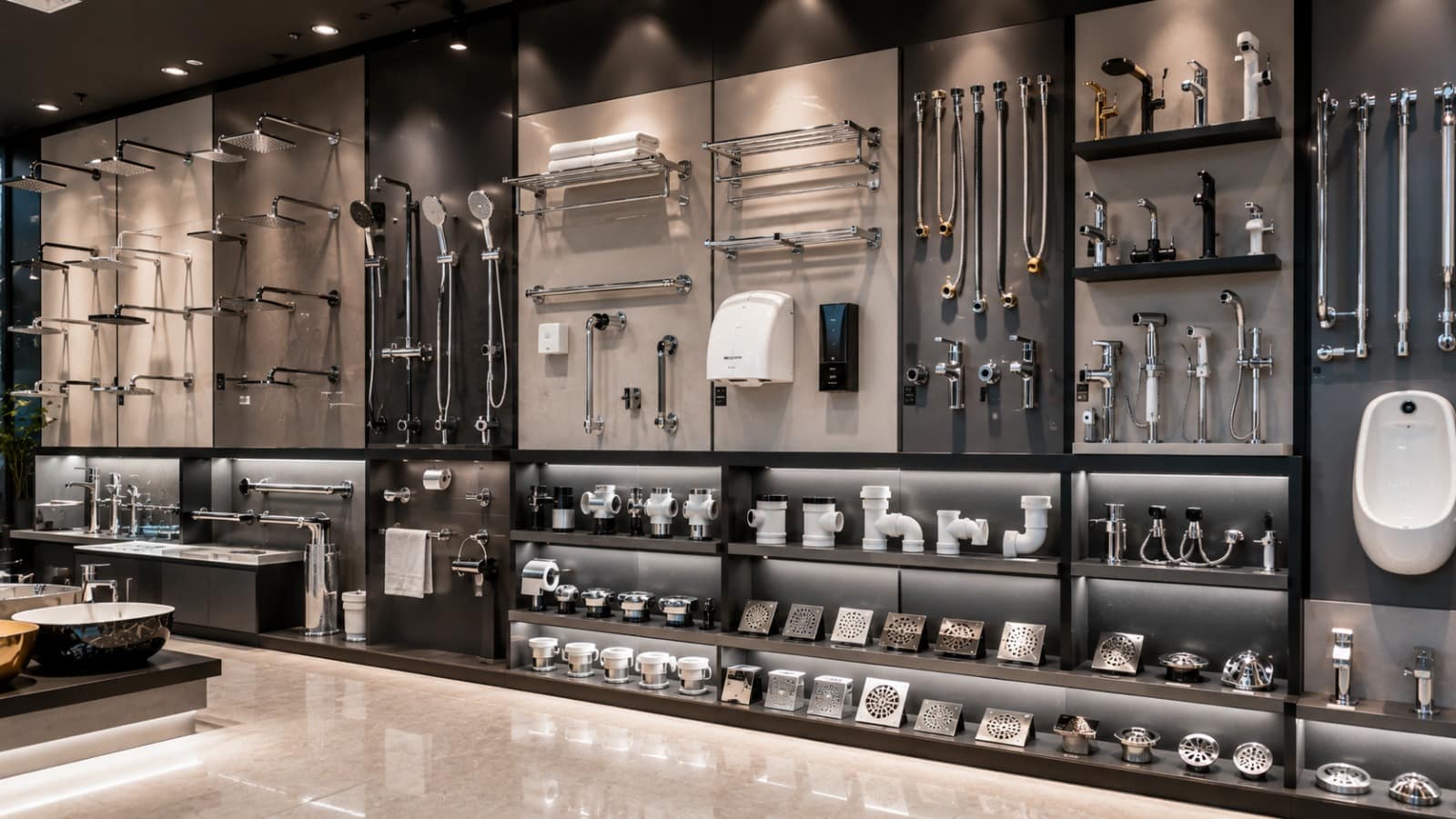
Showroom wall display of showers, health faucets, bath accessories and drain gratings

Collection 04

Allied Products & Bathroom Accessories

Overhead and hand showers, shower arms, health faucets and jet sprays, floor drains, bottle traps and connection hoses, grab bars, glass shelves and sensor fittings — the pieces that finish a bathroom, in ABS, brass and stainless steel.

The full range

The full allied products range in our catalogues

The showroom floor is a fraction of the range. Browse every series, size and finish in the full allied products catalogue library.

Buying guide

Choosing bathroom fittings that last

Fittings are the parts of a bathroom you touch every day, and the parts that fail first when they are specified badly. Five decisions worth getting right.

  1. 1. Match the shower to your water pressure, not to the photograph

    A wide rain shower spreads the same flow over a much larger area, so on a gravity-fed overhead tank with only a metre or two of head it delivers a drizzle rather than the drench in the catalogue. If your supply is an overhead tank without a pump, a smaller face or a more concentrated spray pattern gives a far better shower. Pressure-boosted and pumped supplies are where 8-inch and 12-inch rain heads make sense.

  2. 2. Pick the material by where the part lives

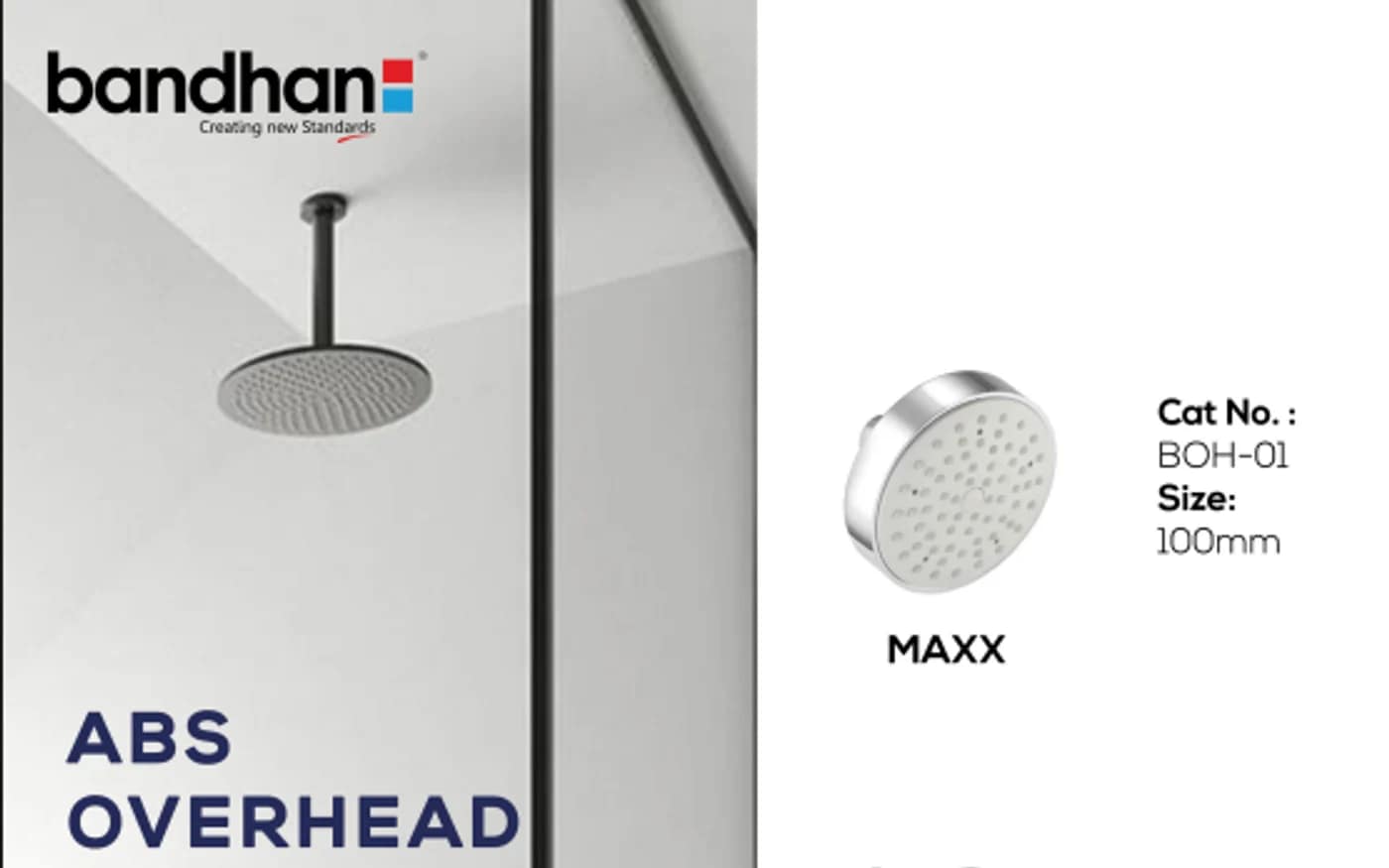
    ABS is a chrome-plated engineering plastic: light, immune to corrosion, and the sensible body for a wide shower face, because a brass plate that size becomes heavy on the arm and its wall fixing. Brass belongs in the parts that hold pressure and take daily handling — mixers, stop cocks, health faucet heads. Stainless steel suits grab bars, shelf brackets and drain gratings, where corrosion and load both matter.

  3. 3. Get the water seal right or the bathroom will smell

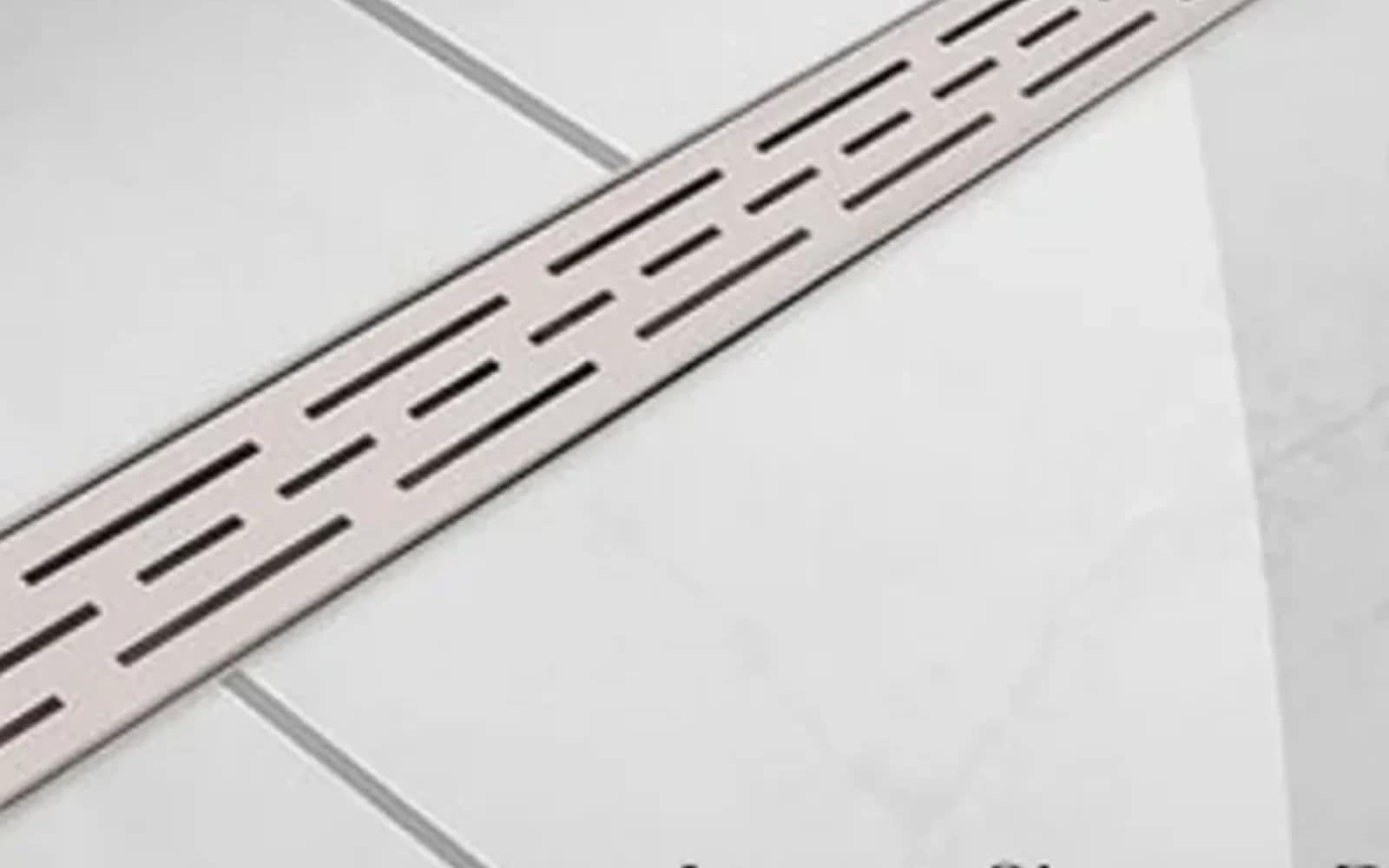
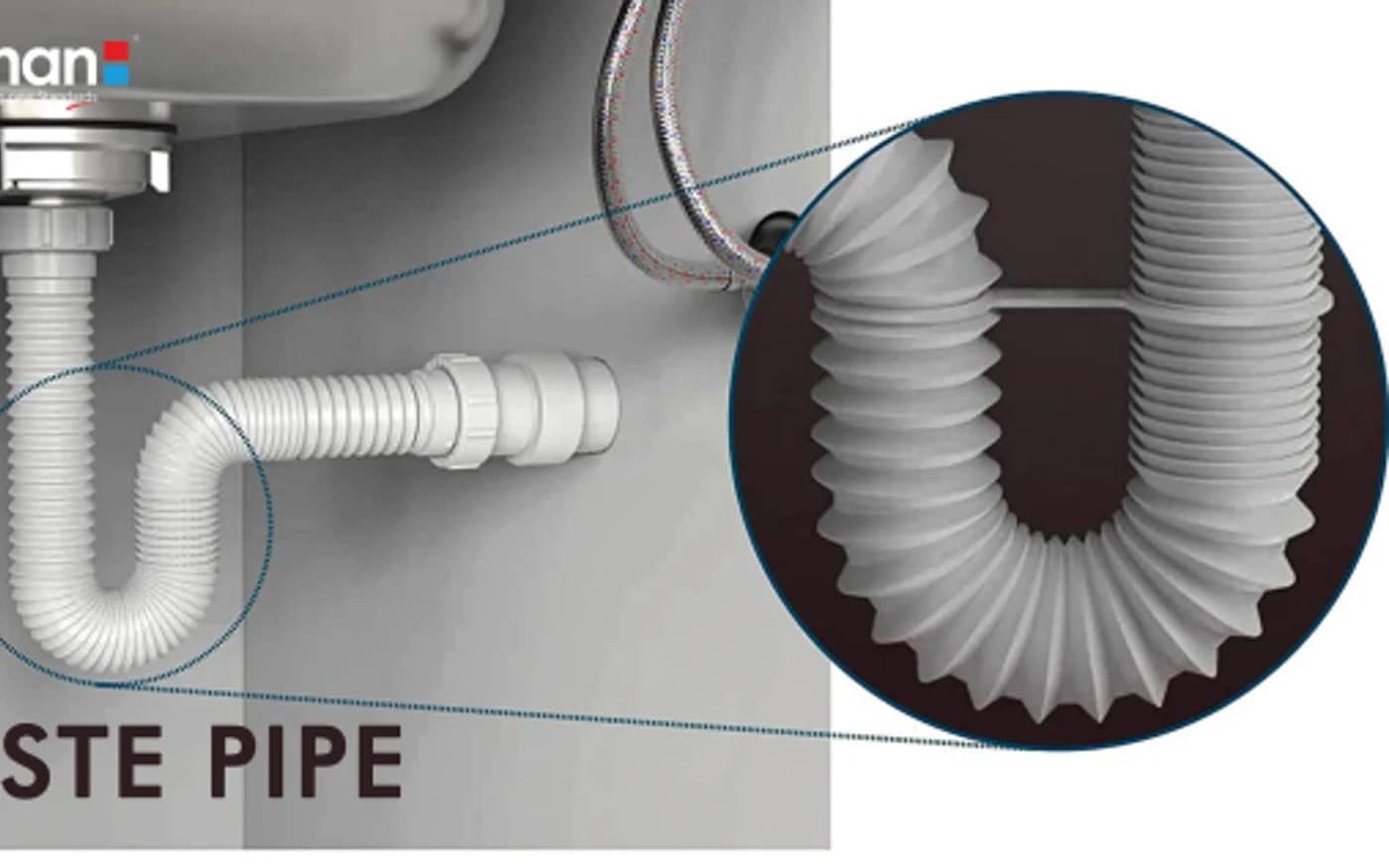
    Every waste point needs a trap holding a body of water that blocks drain gas from rising back into the room. A bottle trap does that under a basin and is visible under a counter-top, so it is chosen for its finish as well as its function; a floor drain does it at floor level. That seal is what fails when a bathroom sits unused for weeks and the water evaporates — running the taps and pouring a mug down each drain refills it.

  4. 4. Fix grab bars into something that will hold them

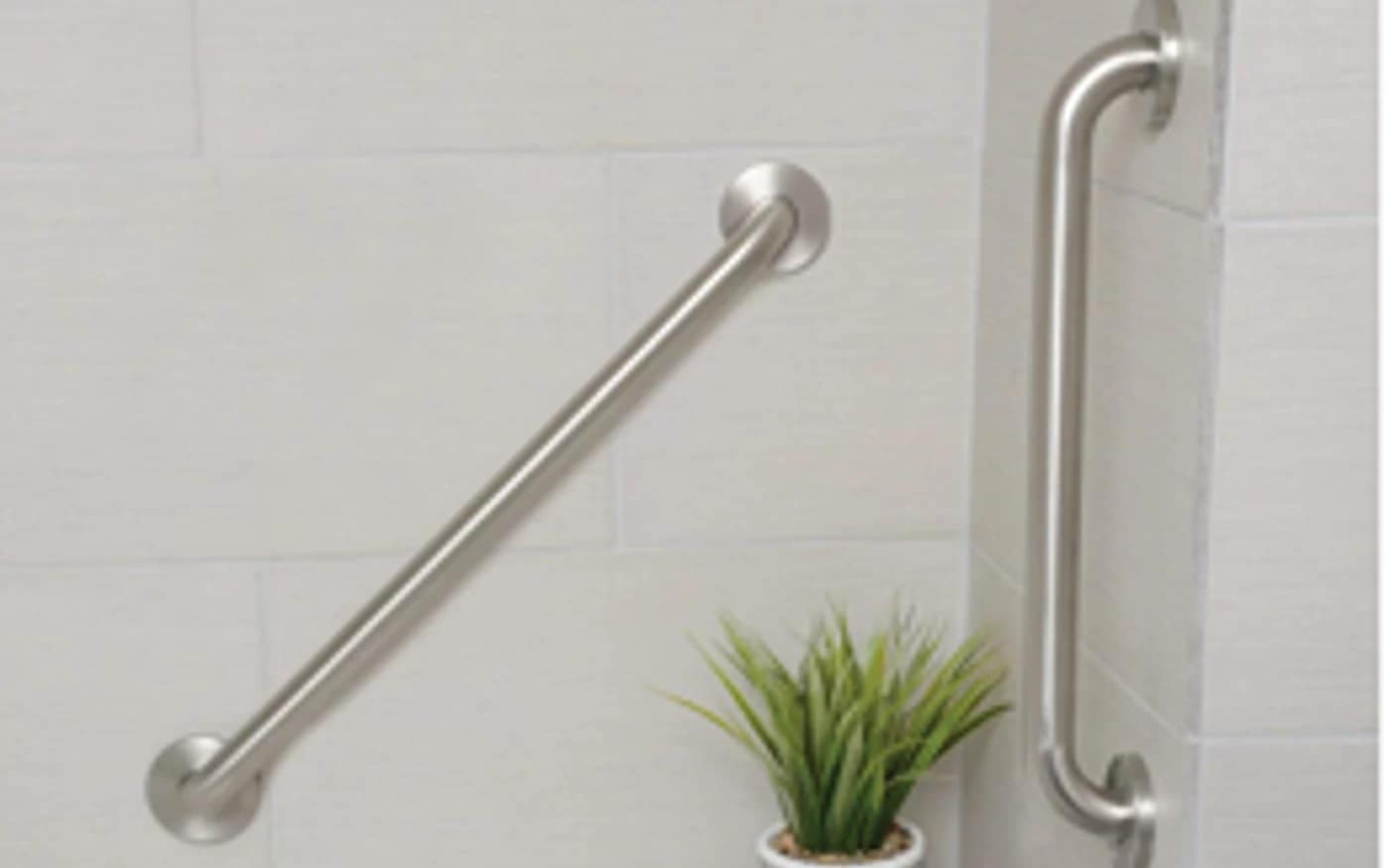
    A grab bar is a safety fitting and is only as good as what it is anchored into. It has to be bolted into masonry or into a structural stud behind the tile — never into tile and plaster alone, and never with the generic plastic plugs that come in the pack. Decide the position before tiling: the usual placements are alongside the water closet and on the wet wall of the shower, at a height reachable while seated.

  5. 5. Sensor fittings earn their cost in traffic, not at home

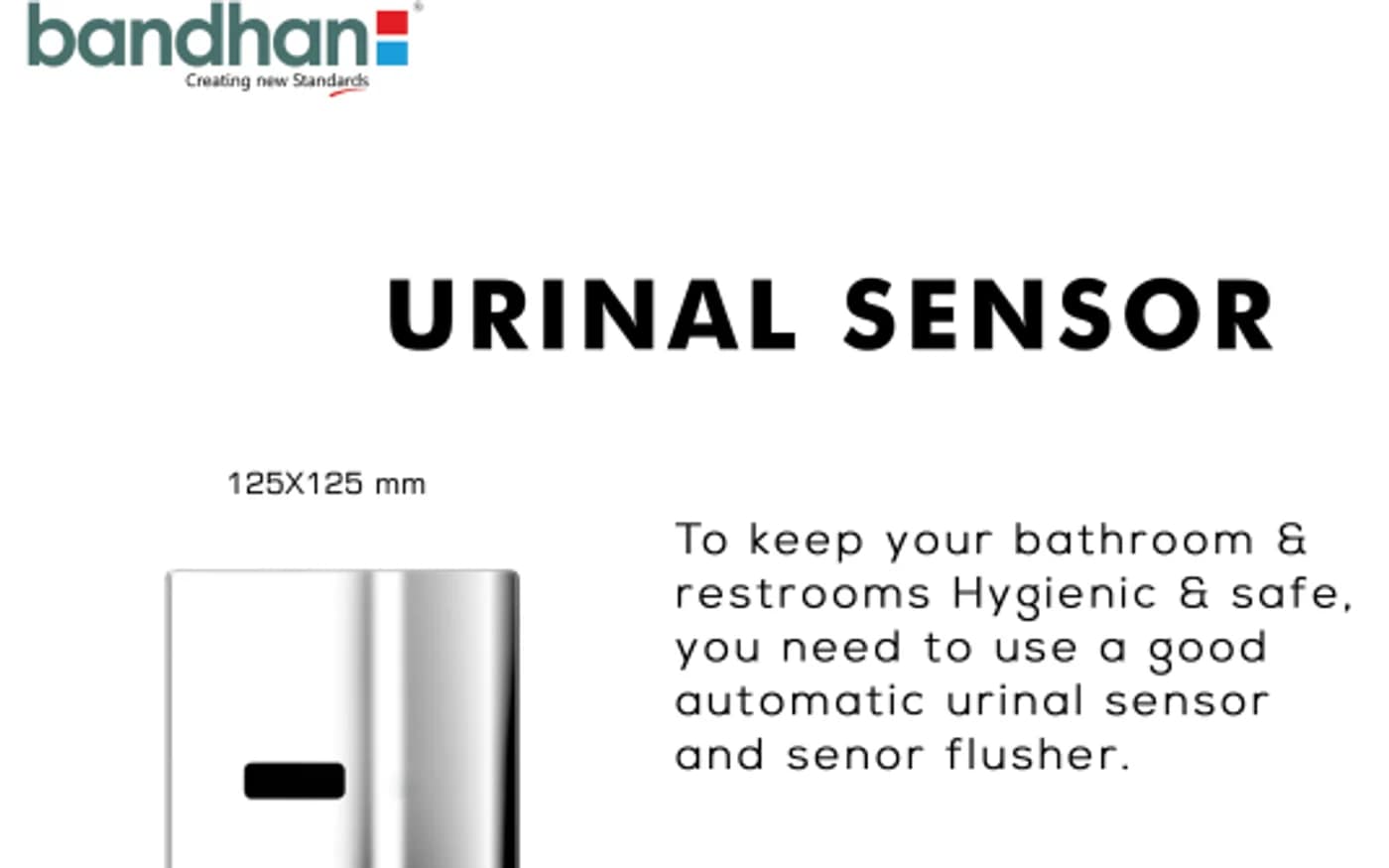
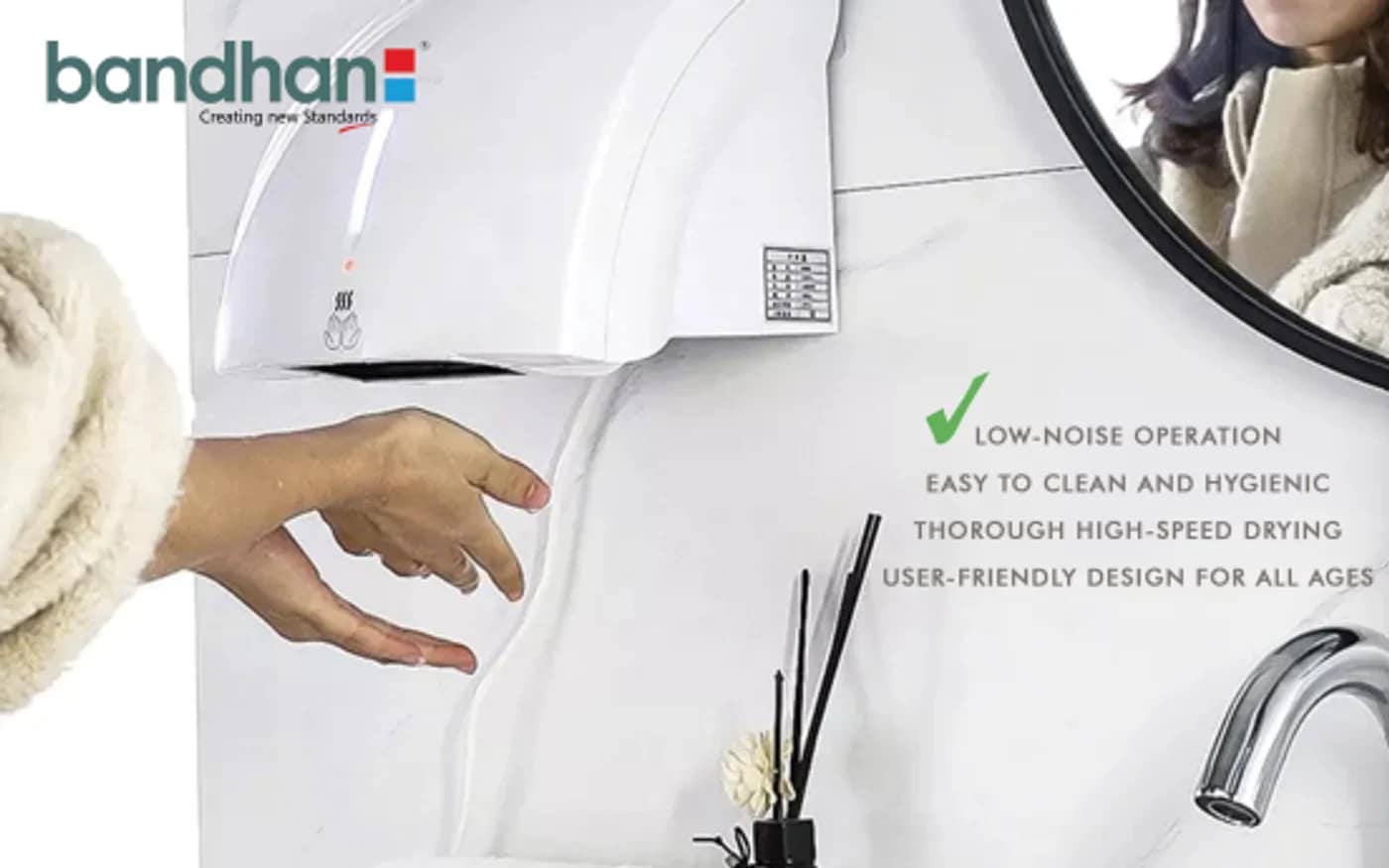
    Touchless faucets, urinal sensors and automatic hand dryers pay back where footfall is high and hygiene is scrutinised — offices, hospitals, restaurants, schools. Settle the power arrangement before civil work: a mains unit needs a supply point planned near the fitting at the wiring stage, while a battery unit avoids that but needs its cells changed on a schedule somebody has to own.

Compare

ABS vs brass vs stainless steel

The three materials bathroom fittings are made from, and what each one is actually good at.

ABS vs brass vs stainless steel
SpecificationABS (chrome-plated)Brass (chrome-plated)Stainless steel
WeightLightHeavyModerate
Corrosion in hard waterCannot corrode — the body is polymerResists it; low-grade alloy can sufferVery good
Best suited toWide shower faces, spray platesMixers, cocks, health faucet headsGrab bars, gratings, brackets
Holds pressureNot for pressurised bodiesYes — the standardYes
Usual failurePlating lifts; can crack if struckPlating wears at handling pointsSurface marks; rarely structural
Relative cost₹₹₹₹₹

ABS is not the cheap option so much as the right option for large wall-hung faces. Judge a fitting by whether its material suits its job, not by its weight in the hand.

Step 1 of 3

Which space are you designing?

Allied Products — frequently asked questions

Straight answers to what buyers ask us most about allied products.

Should I choose an ABS or a brass overhead shower?

It depends on the size of the face. A 8-inch or 12-inch rain shower in brass is heavy enough to strain the shower arm and its wall fixing over time, so ABS is the sensible body for wide faces — it is chrome-plated to match the rest of the bathroom and it cannot corrode. Brass makes sense on smaller heads and on the parts that hold pressure and get handled daily, such as mixers and stop cocks.

What is a health faucet and where should it be fitted?

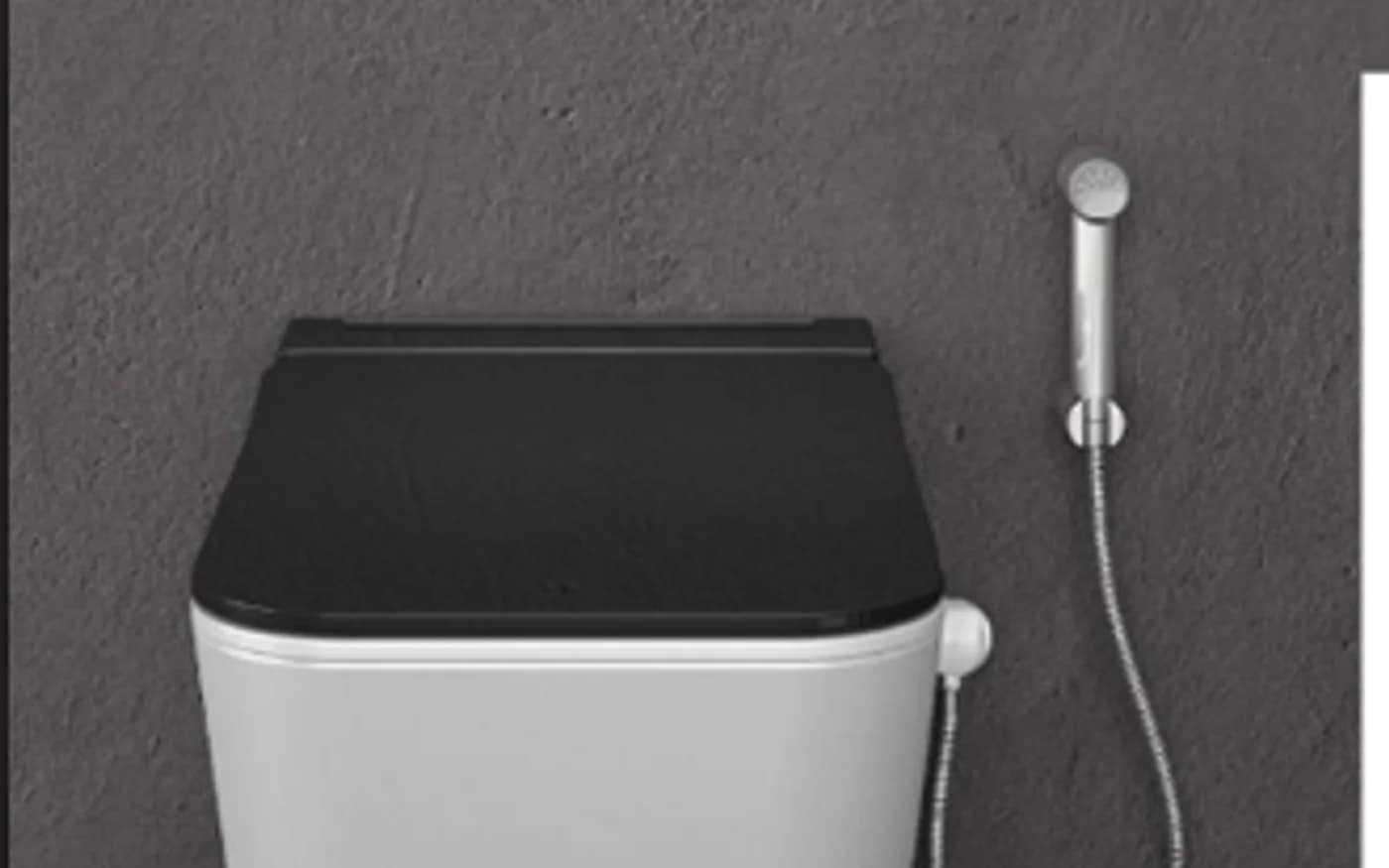
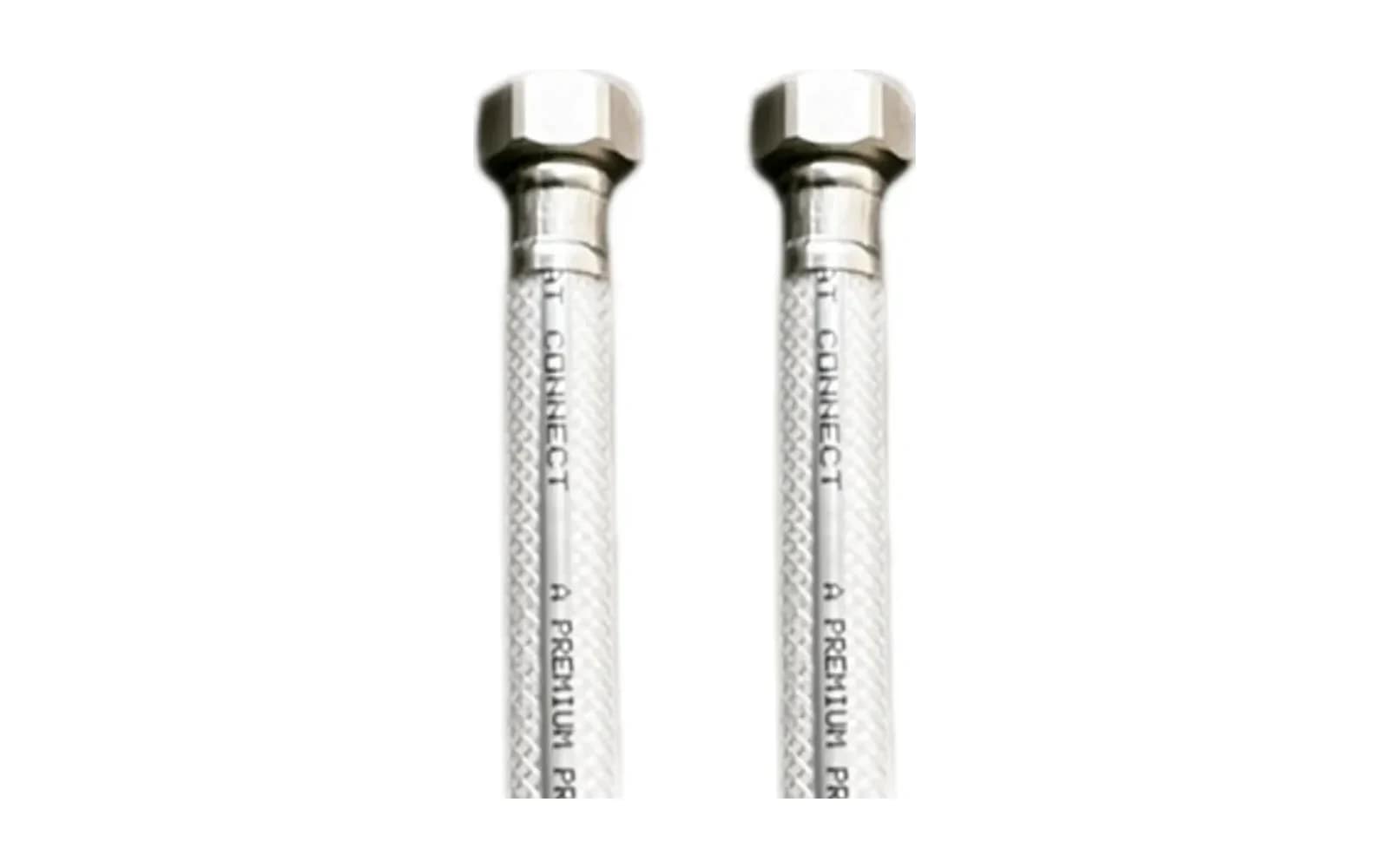
A health faucet is the hand-held spray fitted beside a water closet, connected by a flexible hose to an angle valve. It is standard in Indian bathrooms and is normally mounted on the wall within easy reach from a seated position, on whichever side the user prefers. The parts that decide how long it lasts are the trigger mechanism and the hose — a braided hose outlasts a plain PVC one considerably.

Why does my bathroom smell even though it is clean?

Almost always a dry trap. Every waste point holds a small body of water that seals the room off from drain gas, and if a floor drain or basin trap goes unused for a few weeks that water evaporates and the seal breaks. Running the taps and pouring a mug of water down each floor drain refills it. If the smell persists with the traps full, the cause is usually a waste point with no trap at all rather than a dirty one.

Do I need both a bottle trap and a floor drain?

They trap different waste points, so usually yes. The bottle trap sits under the wash basin and traps that outlet — it is exposed under a counter-top basin, which is why it is picked for its finish as well as its function. The floor drain traps the water running off the floor and the shower area. Neither substitutes for the other, and a bathroom missing a trap at either point will pass drain odour back into the room.

Where should a grab bar be fixed, and what into?

Alongside the water closet and on the wet wall of the shower are the two placements that matter, set so they can be reached from seated. Fixing is the part people get wrong: a grab bar must be bolted into masonry or a structural stud, not into tile and plaster with generic wall plugs. Plan the position before tiling so the fixing points land where you actually need them.

Do touchless faucets and sensor fittings need mains power?

Some do and some run on batteries, and the choice has to be made before civil work rather than after. A mains-powered unit needs a supply point planned near the fitting, which means deciding it at the wiring stage. A battery unit avoids that, but its cells need replacing periodically and somebody has to own that upkeep — which is why mains is the usual answer for offices, hospitals and other high-traffic washrooms.