Sanitaryware series
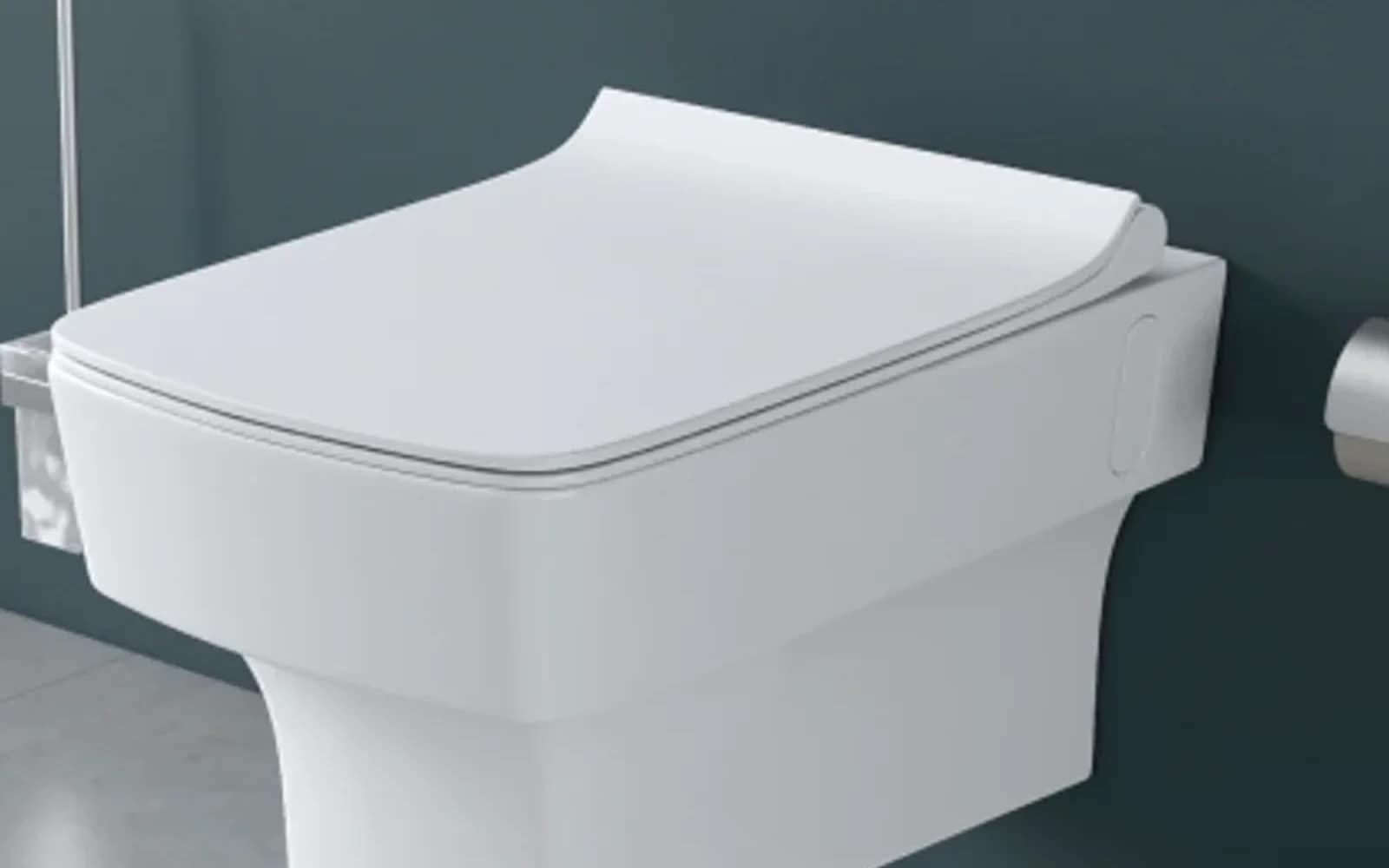
BHOLS Wall-Hung Closets
Sixteen wall-hung closets, all but one of them rimless. Hanging the pan off the wall leaves the floor clear underneath, which is the single biggest difference to how a small bathroom mops out — but it commits you to a concealed cistern inside the wall, so the frame and the flush plate have to be decided at civil stage rather than at handover.
Enquire about BHOLS Wall-Hung Closets
16 models
Every model in BHOLS Wall-Hung Closets
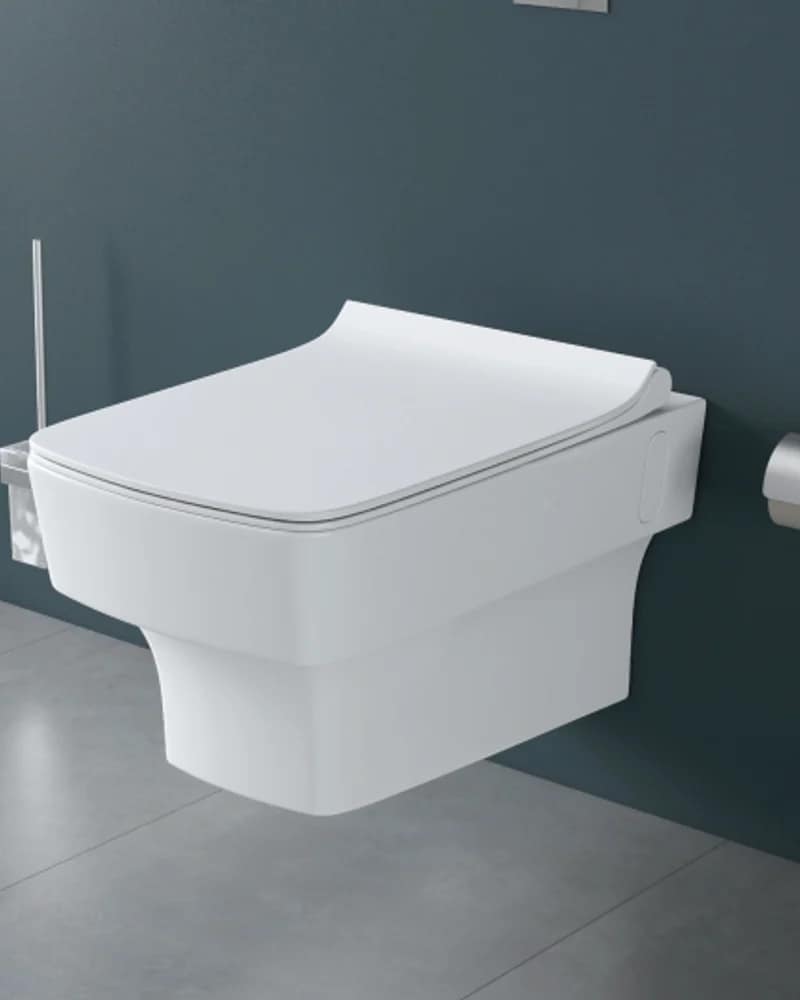
Stiens 2002
- 525 × 340 × 340 mm
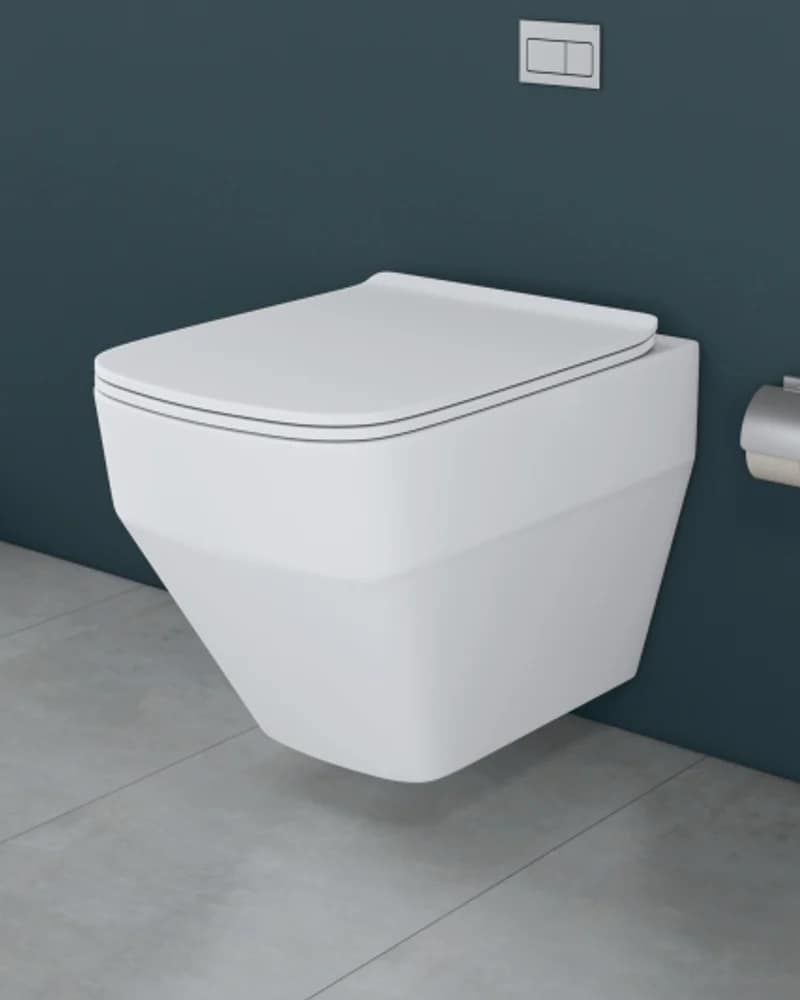
Marshila 2003
- 540 × 365 × 380 mm
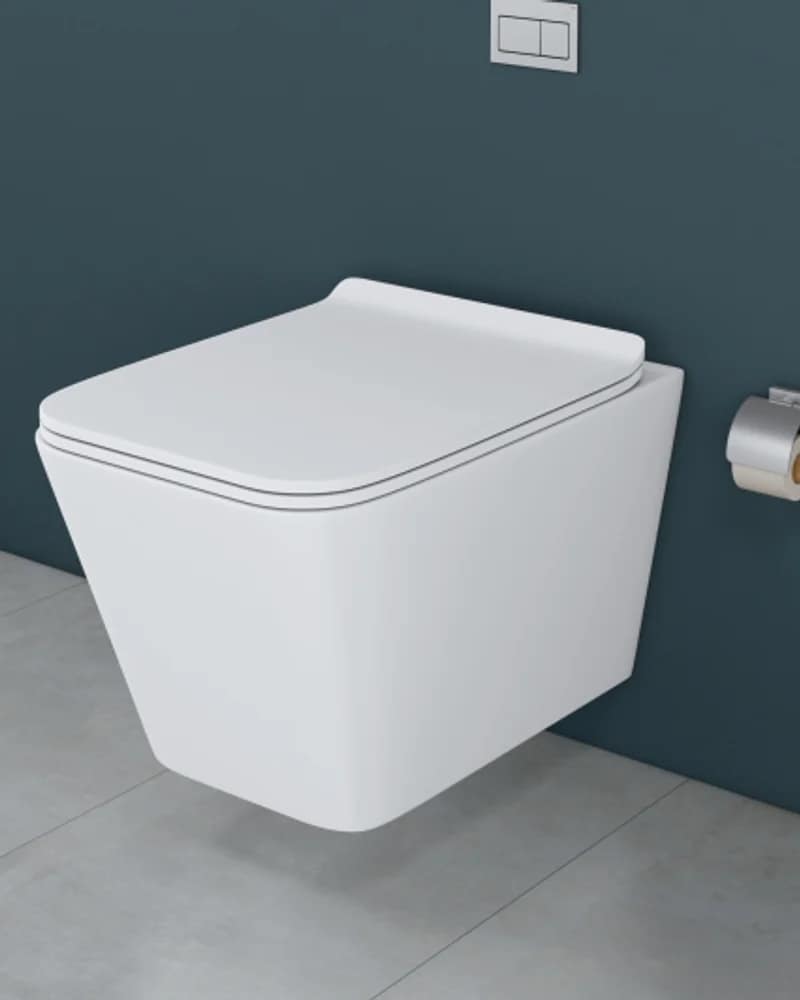
Medox 2004
- 525 × 350 × 355 mm
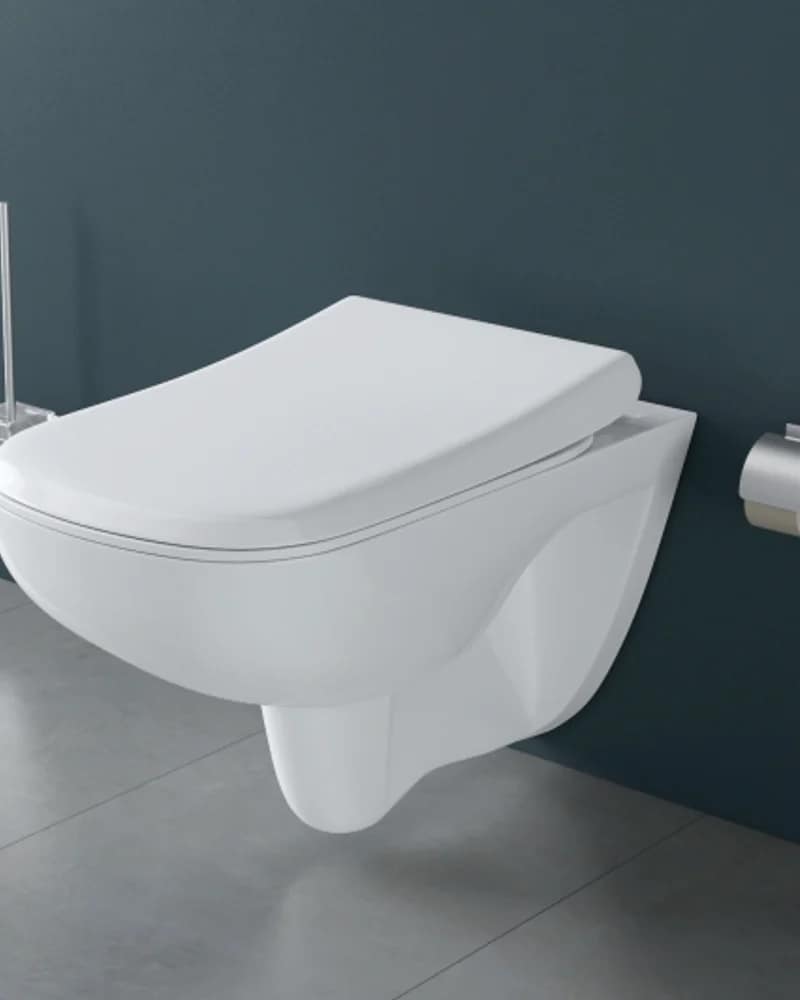
Engimatic 2005
- 525 × 340 × 340 mm
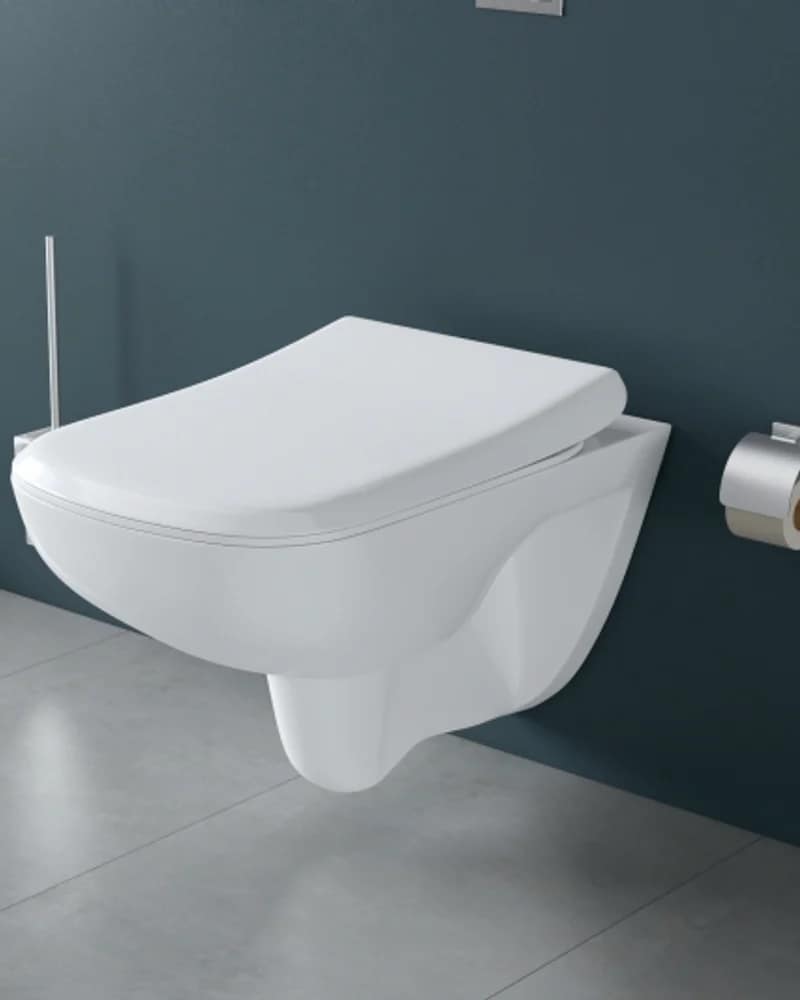
Engima 2007
- 520 × 335 × 350 mm
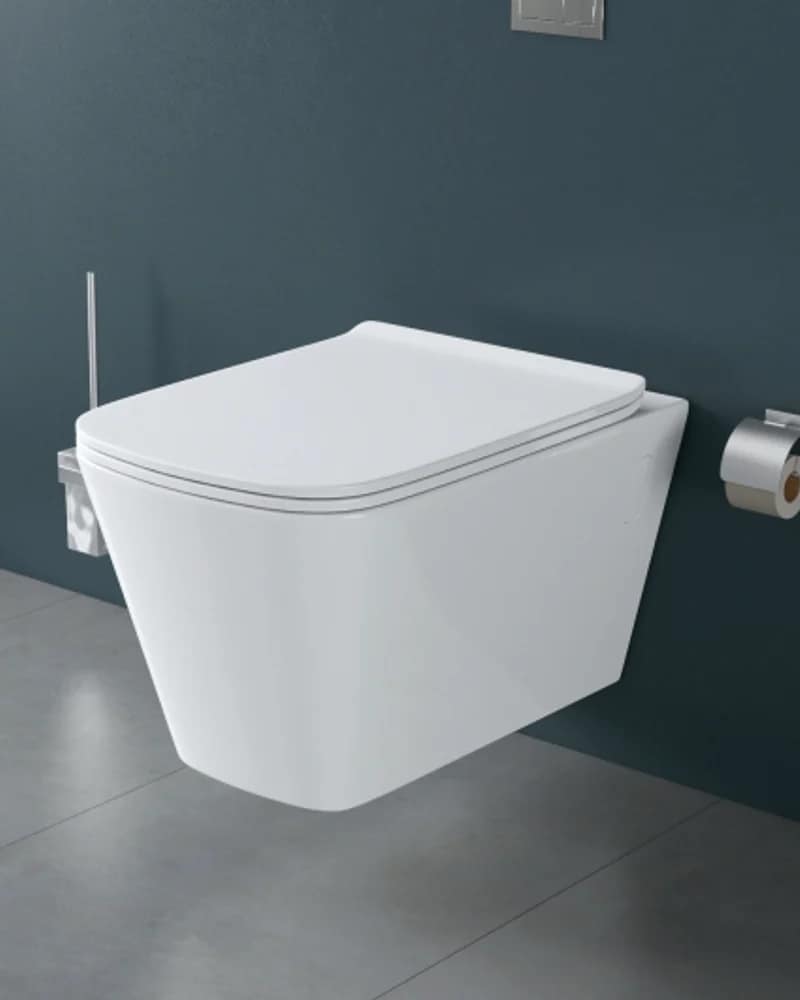
Armida 2008
- 545 × 355 × 350 mm
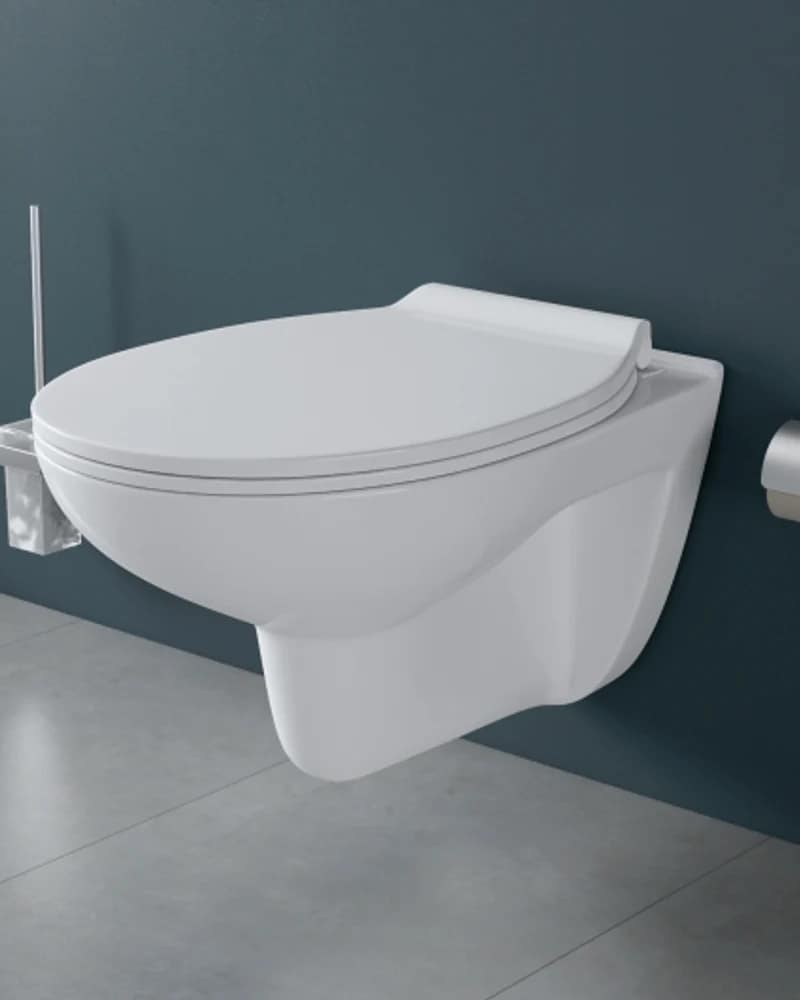
Tracy 2009
- 485 × 365 × 365 mm
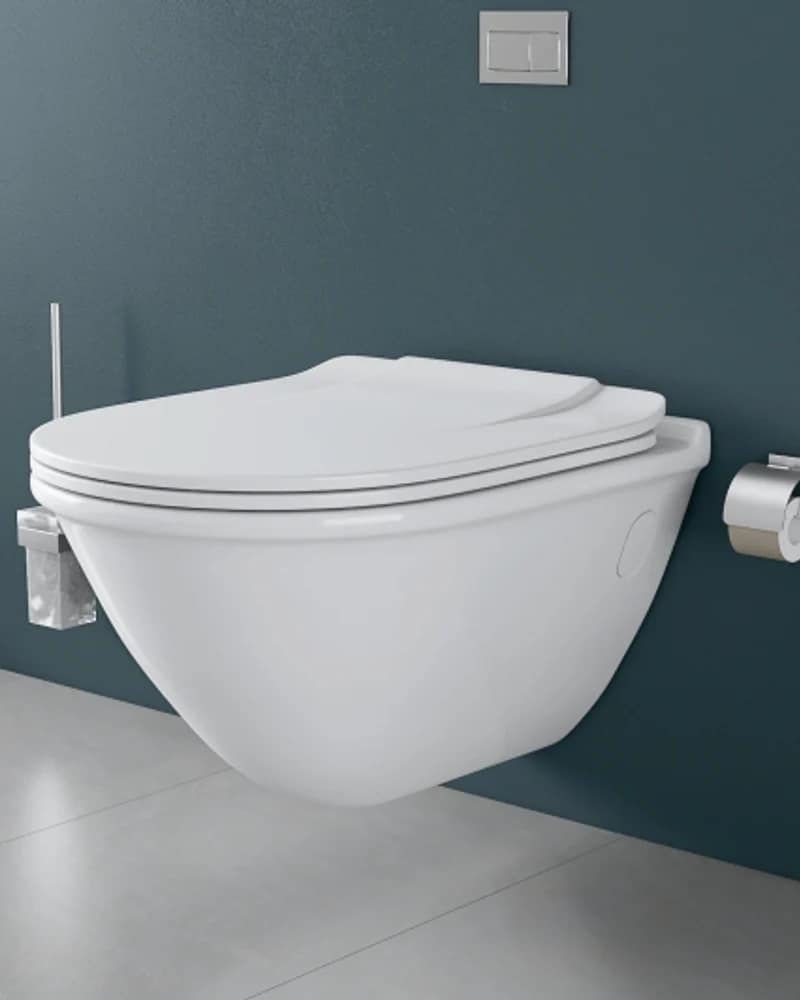
Winta 2010
- 485 × 355 × 360 mm
Showing 1–8 of 16 models
Specifications
| Series | BHOLS Wall-Hung Closets |
|---|---|
| Category | Sanitaryware |
| Finish | White glazed |
| Body type | Vitreous china |
| Application | Bathroom |
| Models in series | 16 |
| Brand | Bandhan |
| Availability | In stock at Bandhan Ceramic showrooms |
More sanitaryware series
View all sanitaryware →
Sanitaryware buying questions
What buyers ask us before choosing sanitaryware like the BHOLS Wall-Hung Closets series.
What is the difference between an S-trap and a P-trap WC?
The trap is the outlet path that carries waste away and holds a water seal against odour. An S-trap exits downward through the floor and is standard in most Indian construction. A P-trap exits horizontally through the wall and is common in apartments and newer buildings. Your existing plumbing determines which you need — check before choosing a model, because the two are not interchangeable.
What is rough-in distance and why does it matter?
Rough-in is the distance from the finished wall to the centre of the waste outlet in the floor. Indian bathrooms are usually built at 225 mm or 300 mm. If you buy a WC with a different rough-in, it will either stand away from the wall with a visible gap or will not connect at all. Measure it once, write it down, and bring it to the showroom.
Which wash basin is best for a small bathroom?
A wall-hung or half-pedestal basin, because nothing sits on the floor and the room reads as larger. If you need storage, a compact table-top basin on a narrow 400–450 mm deep counter works well. Avoid full-pedestal basins in tight spaces — the pedestal blocks floor cleaning and adds visual bulk without adding storage.
What is vitreous china and why is it used for sanitaryware?
Vitreous china is a clay body fired at very high temperature and coated with a vitreous glaze, producing a surface that is essentially non-porous. That is what makes it stain-resistant, hygienic and easy to clean, and why it has been the standard material for basins and water closets for over a century. The quality of the glaze is what separates a good piece from a cheap one.
How much water does a dual-flush cistern save?
A dual-flush cistern offers a 3-litre half flush and a 6-litre full flush, against a single 10–12 litre flush on older cisterns. For a family of four, that typically works out to tens of thousands of litres saved a year. Every dual-flush unit we stock is designed for the water pressures found in Indian overhead-tank systems.