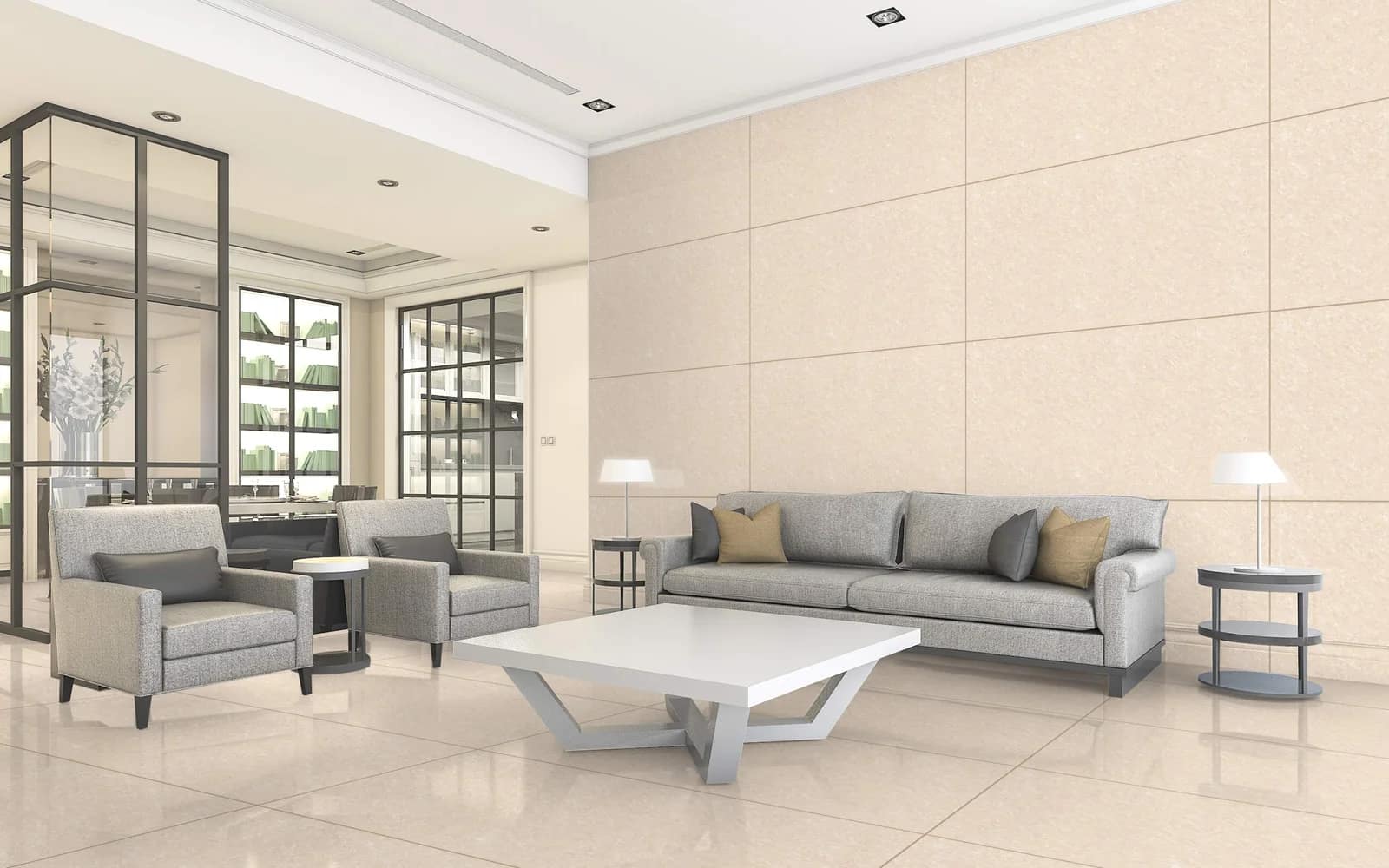
Tiles series
Endless Series
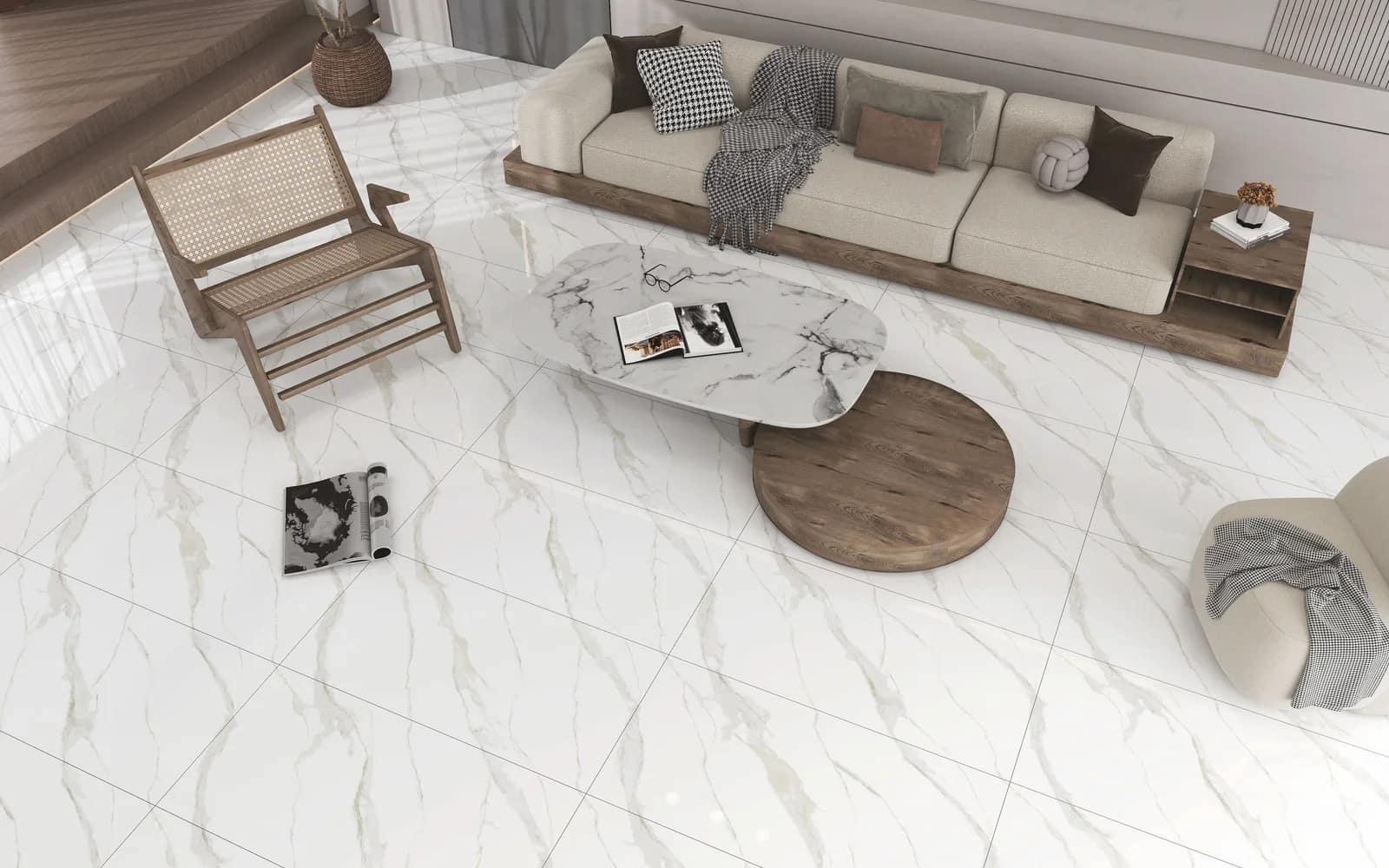
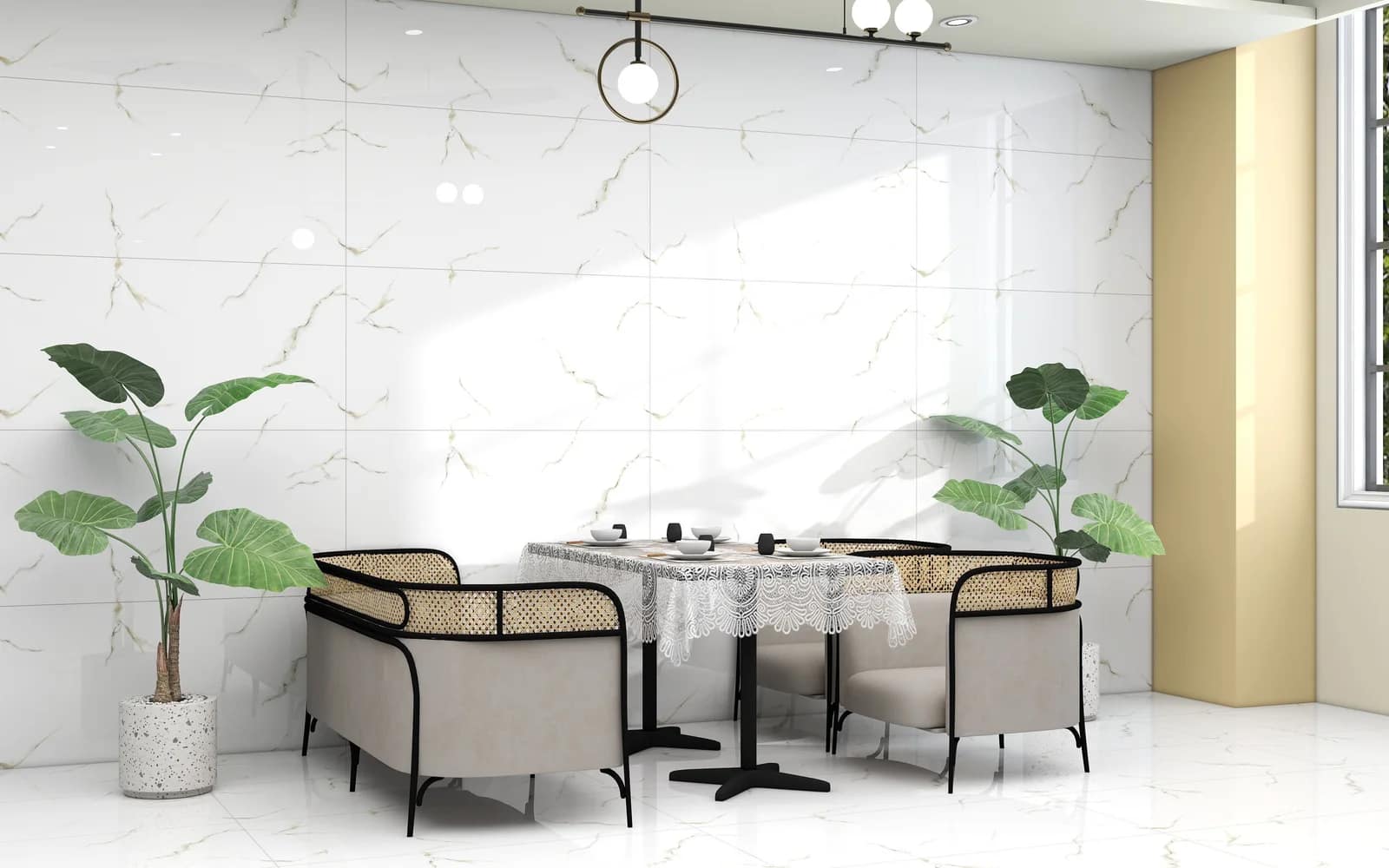
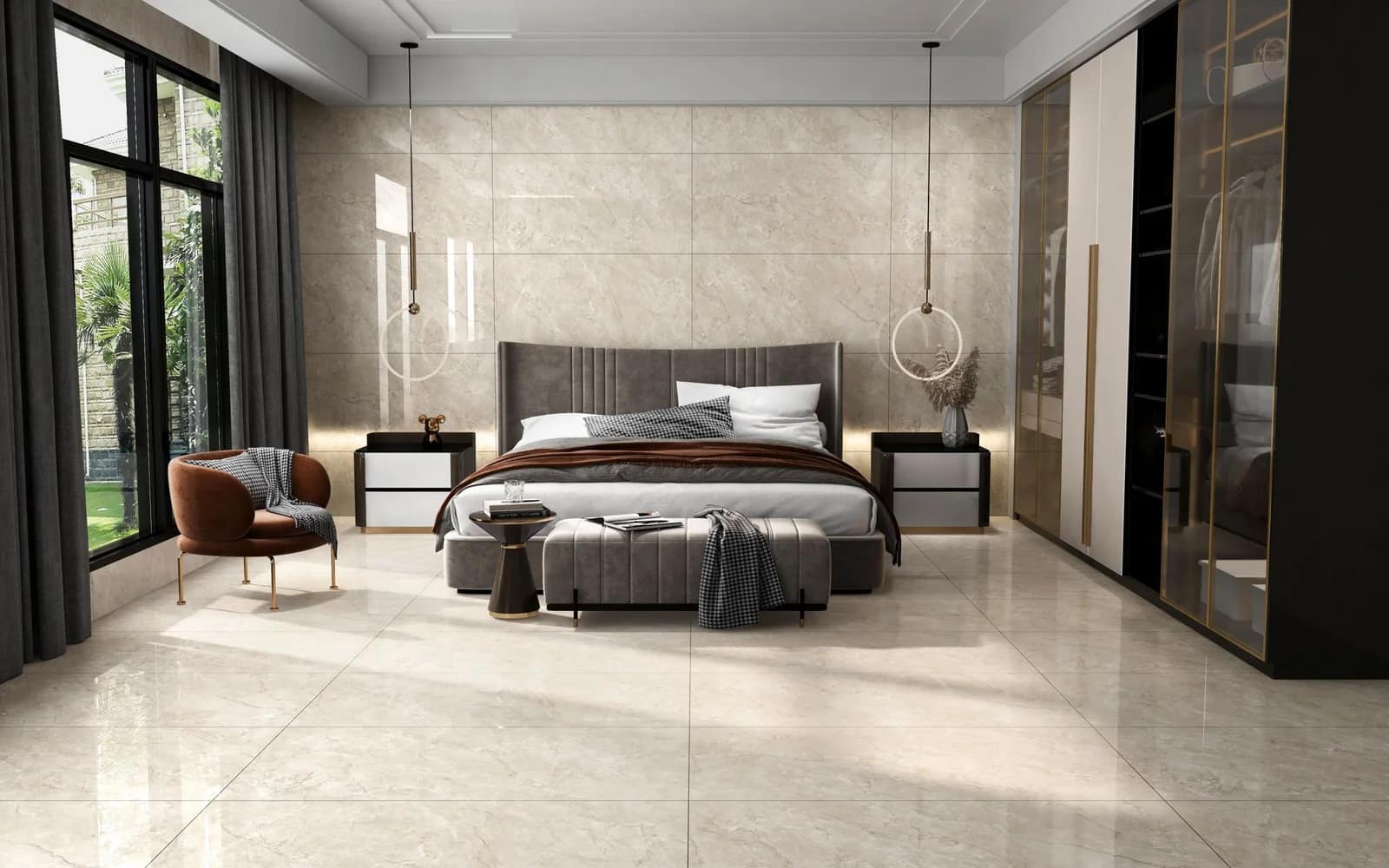
The largest range in the book: forty-seven endless-print marbles, where the vein is drawn to carry on from tile to tile so a floor reads as one slab rather than a grid. Bilbao, Rayan, Dallas, Dune, Miami and Rosario each run through several colourways, which is what lets a scheme stay in one marble at more than one weight.
Enquire about Endless Series
47 designs
Every design in Endless Series
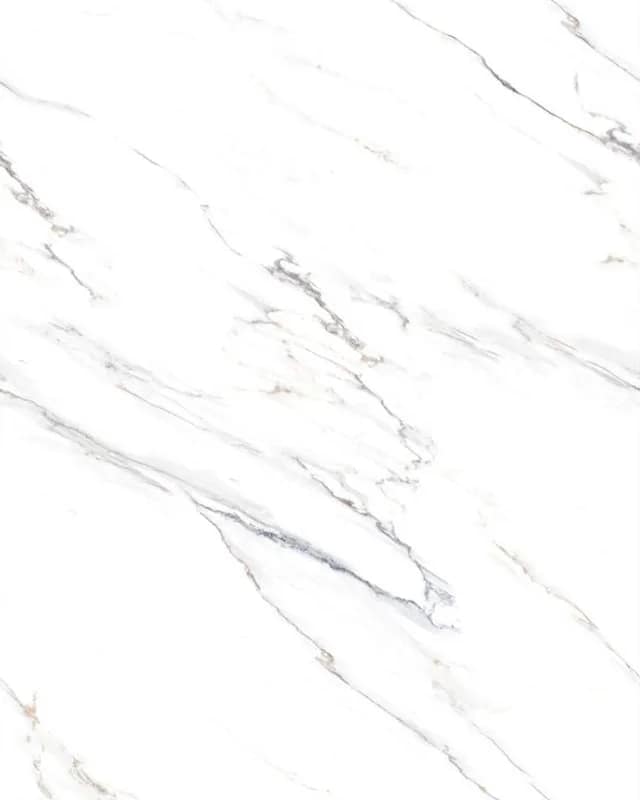
Arctic Satuario

Aveiro Crema
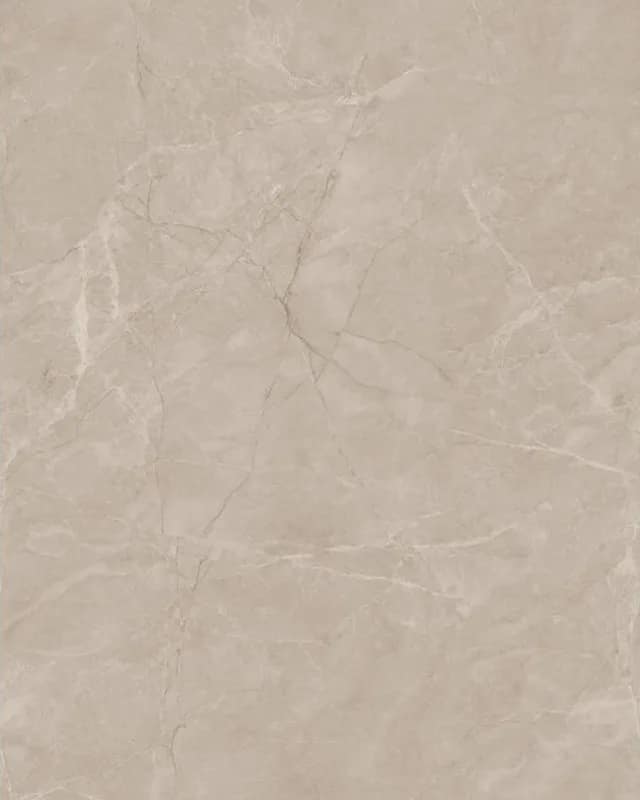
Aveiro Natural
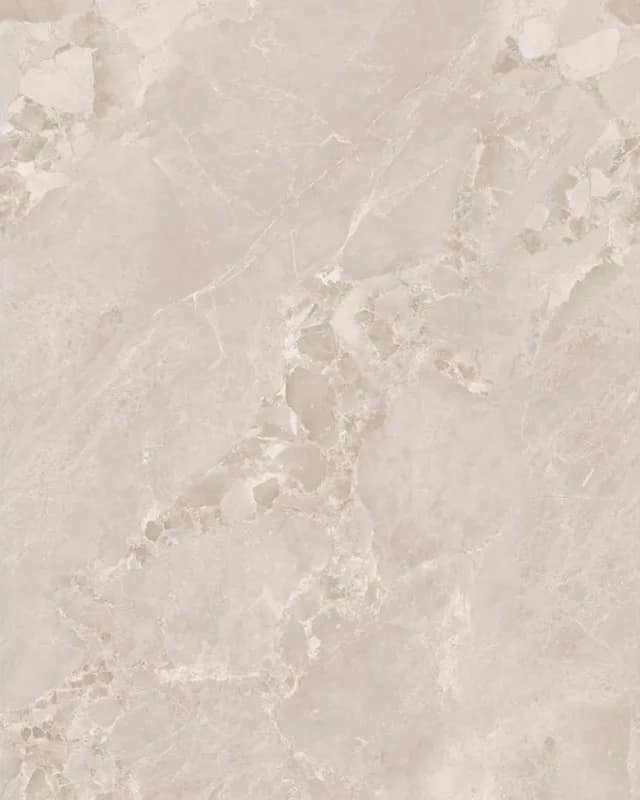
Bilbao Beige
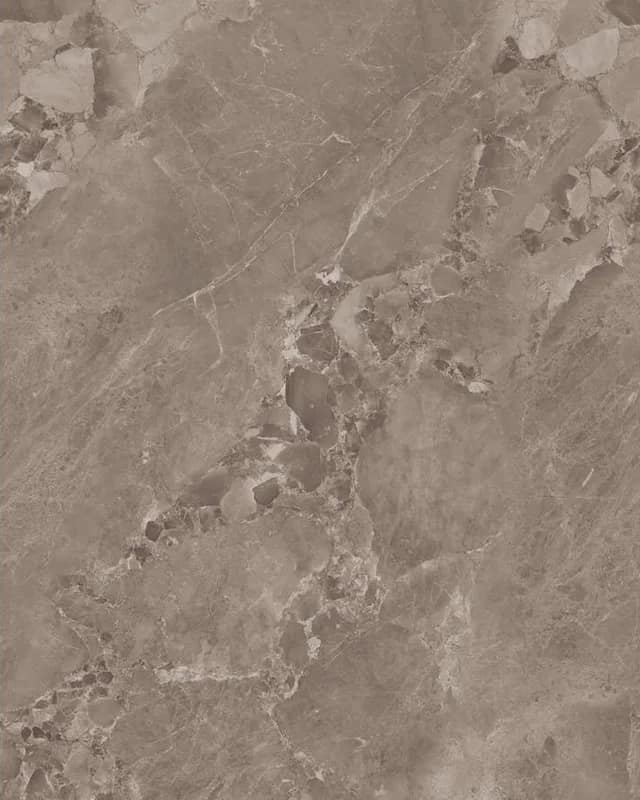
Bilbao Choco
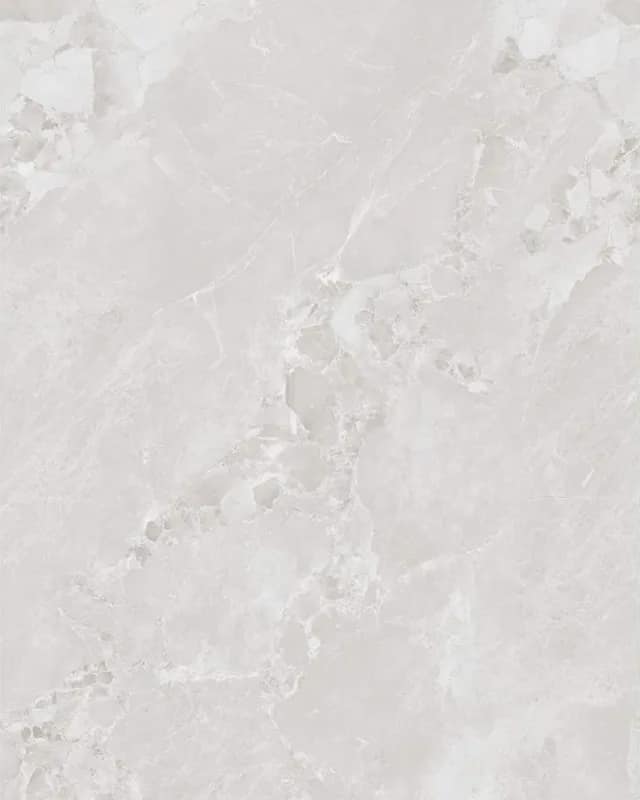
Bilbao Grey
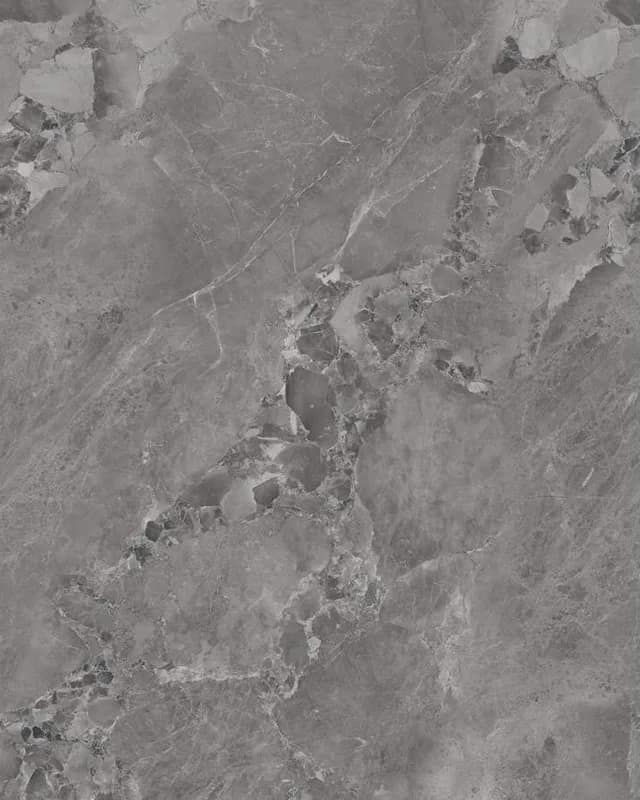
Bilbao Nero
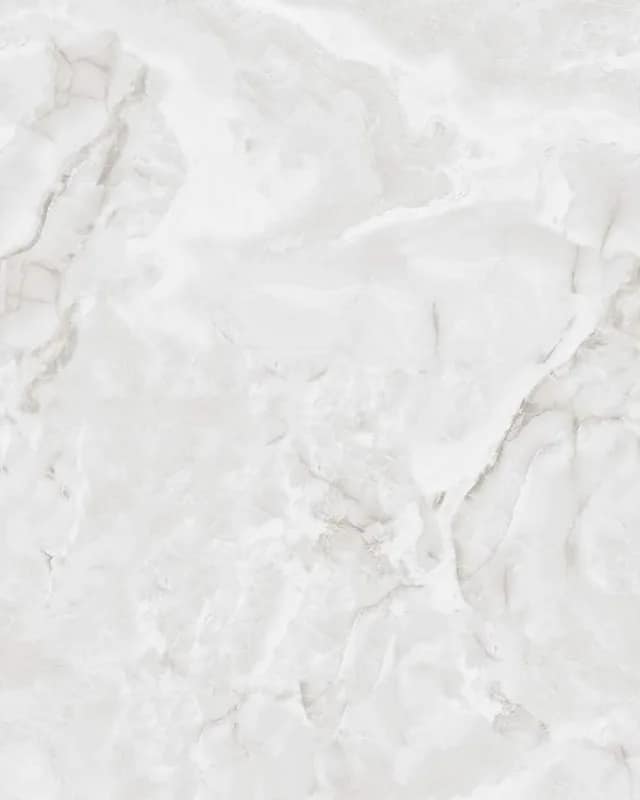
Belfino Silver
Showing 1–8 of 47 designs
Specifications
| Series | Endless Series |
|---|---|
| Category | Tiles |
| Size | 600×1200 mm |
| Finish | Glossy Endless |
| Body type | Glazed vitrified (GVT/PGVT) |
| Application | Living room, Bedroom, Lobby, Feature wall |
| Designs in series | 47 |
| Brand | Bandhan |
| Availability | In stock at Bandhan Ceramic showrooms |
Tiles buying questions
What buyers ask us before choosing tiles like the Endless Series series.
What is the difference between ceramic and vitrified tiles?
Vitrified tiles are fired with silica and clay at a higher temperature, which fuses the body into a glass-like mass and drops water absorption below 0.5%. Ceramic tiles absorb 10–20% water. That single difference means vitrified tiles can go on floors, in bathrooms and outdoors, while ceramic tiles should be used on dry interior walls only. Vitrified tiles are also harder, denser and far more resistant to staining.
Which tile size is best for a living room?
For most Indian living rooms, 600×600 mm is the practical default and 600×1200 mm is the premium choice. Larger formats mean fewer grout lines, which makes the floor read as one continuous surface and the room feel bigger. If your living room is under about 120 sq ft, stay at 600×600 mm — very large tiles in a small room produce heavy cutting waste at the edges.
How many tiles do I need for 100 square feet?
Divide the floor area by the area of one tile, then add 10% for cutting and breakage. A 600×600 mm tile covers about 3.87 sq ft, so 100 sq ft needs roughly 26 tiles, or 29 with wastage. Tiles are sold by the box: a 600×600 mm box usually holds 4 tiles (about 15.5 sq ft), so you would order 8 boxes. Our tile calculator does this for any size in a few seconds.
Which tiles are best for a bathroom floor?
Use anti-skid vitrified tiles with a matt finish and an R10 slip rating or better. Bathroom floors combine water, soap film and bare feet, so slip resistance matters more than looks. Keep the tile size at 300×300 mm or 600×600 mm so the floor can be laid with enough slope to the drain, and pair it with a 300×450 mm or 300×600 mm glazed ceramic wall tile.
Which tiles should I use for parking and driveways?
Parking tiles are a distinct product: thicker, heavily textured for grip, and engineered to take vehicle point loads without cracking. Use a full-body or heavy-duty vitrified parking tile of 300×300 mm or 400×400 mm, laid on a properly compacted and levelled base. Standard floor tiles will crack under a car within a season.